
OTPC tablets (NEXT)
โครงการแท็บเล็ตพีซีเพื่อการศึกษาไทย (ตอนต่อ)
We all know about One Tablet Per Child (OTPC) project to accelerate learning of primary school children with computing devices. OTPC was abandoned half way through distribution process before acquisition process was completed. A number of supporting projects were left dangling unfinished. There was no official enquiry or review to asceertain the cause of failure and to quantify the loss of investment.
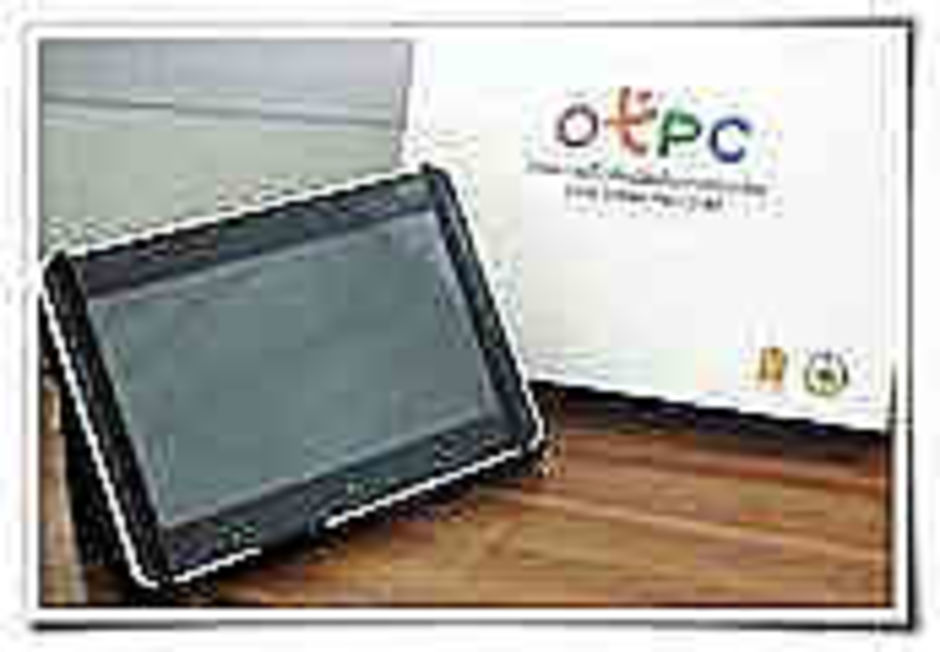
(Picture source: http://www.darun.ac.th/newWEB/ronphibun/reviewOTPC.html)
What happened to OTPC tablets now? Some 86,000 (of 1.6 millions estimated) tablets had been distributed to primary students in some schools. (I do not have detail of the distribution) Are these tablets still being used? By whom and how? (OTPC tablets are to be allocated to students for 3 years then to be returned.) If they are not being gainfully used now or when they are returned in about 1 year time, what then can we use them for? Eventhough they are not very powerful nor capable by todays standard, they have computation power and communication abilities useful for adding values to learning, wellbeing and empowering communities. If we can find ways to use 86,000 computers!
OTPC tablet specifications:
Hardware:
ARM CPU 1.2 Ghz (dual or quad?)
512 MB RAM
8GB internal Storage (sdcard0)
1024x600 capacitive 7" touch screen
WiFi (what level? 900/2400Mhz?)
2MP Camera (front; video 640x480)
MicroSD slot (for external sdcard1)
microUSB slot (for charging & data)
Speakers
Software:
Android 4.0.3 (...) OS bundle including web browser, multimedia players, system updater, human interface,...
(At distribution the tablets were loaded with educational apps: ...)
Updating hardware in tablets is quite difficult and not cost effective. However apps can be selected and/or developed to optimize performance at the hardware level.
Wifi communication is limited by broadband services available. The Internet services in major cities and communication hubs are quite good.
With the general knowledge of OTPC, we now set forth to find ways to make more gainfully use of 86,000 tablets. Afterall they are bought with our tax money. They are people's national resource. They should not be wasted despite their colourful acquisition. We will concern ourselves with using this resource to further our national and community goals.
I have some small projects in mind. They are outlined below. But I want to hear from you -- who are more in touch with the current needs and urgency of services to the public. It is a national duty to serve people. Whe we use under-used resources to serve people we them in more than one.
It is not a folly to think of ways and things we can do with 86,000 tablets. Your ideas may be realized with some help from others from all walks of life: experts, retirees, professionals and amateaurs. We don't know where we can go from here, but I do know the journey can change our lives for the better.
*Note*
Examples of Projects:
1) Public information media tool: - tablets can be allocated to community libraries for public use such as ebook readers, email, Internet and other social activities. Tablets can be used in classes for elderly to adopt modern technologies for their quality of life.
Libraries also need to develop and provide modern information services. Tablets can provide start-up tools.
2) Ad hoc network for emergency: - tablets can be connected into a network via Wifi and specific apps. The network is used for communication in areas of and surrounding emergency situation. Information, warnings and safety directives can be broadcast to impacted people via nearby tablets.
Though, commercial networks can be constrained to work in localized areas, willingness and initiation for emergency network are less likely to be promptly responsive. Localization of warnings and directives to only the impacted areas can be difficult for networks configured for nationwide services. Ad hoc networks however can be started on demand and constrained by strength of Wifi devices. Localization is simpler to achieve.
3) Mass public data collection: - data demands are high for effective and efficient management in government and local administration. Tablets can be used as data collection devices in some data collection networks or systems.
Certain 'census' (demographic, medical, employment,...) data on ad hoc or continuous bases; data for local water levels, uncollected wastes, pollutants, fires, traffic, sightings of species, and so on can be collected with the help of tablet holders and data collection apps.
e-forms and many government services may be delivered through apps on tablets provided that privacy and security concerns are properly addressed.
Other research projects such as tablets supercomputing network, software agents network, and artificial intelligence network may be experimented with tablets. With 86,000 tablets to experiment with and test hypotheses, many advanced and innovative technologies may emerge.
A national call for projects using these tablets may be a good stimulus for advancing research and development in education and home-grown industries.


ที่ผ่านมามันน่าเศร้านะคะที่โครงการดี ๆอย่างนี้ถูกทำให้ดูด้อยค่า ถึงอย่างไรเมื่อได้รับมาแล้วเป็นหน้าที่ของครูและโรงเรียนที่จะต้องใช้มันอย่างคุ้มค่า
ประเทศไทยคงต้องอาศัย grassroots projects ทั้งหลายครับ พวก official projects มีการเมืองมาเกี่ยวข้องมากเกินไปครับ
ด้วยราคา android devices ตอนนี้ถูกมากๆ แถมด้วย wireless internet connection ก็เริ่มถูกลงเรื่อยๆ เรื่อง devices และ connections ที่เราทำกันเองไม่ได้เริ่มมีโดยธรรมชาติ ที่เหลือจากนี้ก็สามารถช่วยกันทำต่อๆ กันได้แล้วครับ
แต่อีกปัญหาคือกลุ่มคนที่คิดจะทำงานจริงจังในประเทศไทยมีน้อยครับ NGOs ของไทยส่วนใหญ่ใช้เวลาเล่นการเมืองเสียมากกว่าจะทำงานครับ เรียกได้ว่าเรามีปัญหาทั้งบนทั้งล่างทีเดียวครับ
High GD: I think there are schools and children who have good use out of these OTPC tablets. But I would guess (from news I read) that most are ungainfully used and these tablets are what I see as under-used national resources. We should use them to advance our society.
Thanks ธวัชชัย: for the info. We know we have problems and we are not going to solve any problems by just talking about it. But by talking about problems we build up currents and flows that 'problem solvers' can surf and perhaps come up with better ways.
I would love to see a students' massive-parallel-tablet supercomputer project or two at PSU. Wouldn't you?
No.. not PSU, not a tiniest chance. (LOL)
With the general knowledge of OTPC, we now set forth to find ways to make more gainfully use of 86,000 tablets. Afterall they are bought with our tax money...
ค่ะ ควรเป็นเช่นนั้น และความเป็นไปได้ที่สุดก็คือการใช้ในโรงเรียนเพื่อการศึกษาค่ะ โปรเจ็คดี ๆที่เสนอมา โรงเรียนจะเป็นผู้ทำหรือ อาจมีบุคลากรที่มีความสามารถทำได้ แต่คงเป็นเรื่องไม่สมควรถ้าไม่พยายามใช้ตามวัตถุประสงค์ดั้งเดิมในโรงเรียน ประโยชน์ก็จะเกิดแก่เด็ก ไม่ใช่กองอยู่ในมุมห้องสมุด หรือเก็บไว้ในตู้
สำหรับหน่วยงานใน communities เชื่อว่าเขามีงบประมาณเพียงพอในการจัดหาเครื่องคอมพิวเตอร์ที่จะทำงานตาม ตัวอย่าง 1-3 ในยุคนี้ ที่มีประสิทธิภาพสูงกว่า เพียงแต่ขาดแนวคิด
ถ้าจะบริจาคไปยังหน่วยงานภายนอก อาจไม่ง่ายนักเพราะมีกฏระเบียบพัสดุที่เคร่งครัดในการจำหน่ายครุภัณฑ์ของทางราชการ ใครขืนโละง่าย ๆอาจมีศัตรูคอยเล่นงานเลื่อยขาเก้าอี้อยู่ อาจกลายเป็นเรืองใหญ๋โต โดยเฉพาะทุกวันนี้ ใครจะกล้าทำอะไรดี ๆ เจ็บตัวง่าย ๆ
ตัวอย่างความยากในการ จำหน่ายครุภํณฑ์ที่ GD เคยเจอด้วยตนเอง คราวนั้นขอ ให้มหาวิทยาลัยรับคืนตู้เอกสารเหล็กจากสำนักที่ดูแล ตู้นี้เก่คร่ำคร่าใช้มาไม่ต่ำกว่าสิบปี มอมแมม ที่สำคัญที่ล็อกก็พังและฝ่ายซ่อมไม่สามารถหาอาหลั่ยได้ ราคาใหม่ ๆก็แค่ 4-5 พัน มหาวิทยาลัยส่งกรรมการมาดู และตัดสินว่า ไม่จำหน่าย ให้ใช้ต่อไป ---เงิบเลย แต่อย่างไรก็ตาม เมื่อเปลี่ยนผู้บริหารมหาวิทยาลัยใหม่ นโยบายเปลี่ยนไป แต่ระเบียบวัสดุไม่เคยเปลี่ยน เห็นมีการตกแต่งออฟฟิศ กันถ้วนทั่ว โดยของดี ๆถูกโละมากองให้เห็นกัน อย่างน่าเสียดาย
Yes thanks, ธวัชชัย: when we start sometimes everything seems impossible. But more things becomes real as we go forth. Use your force... Jedi ;-)
Thank you for your advice GD : This is bureacracy not building a nation. Nations get held back by bureaucracy because everyone is defending their 'stable' positions they don't want change even when change is for the better. In anycase, before we get down to these matters, as you said "...เพียงแต่ขาดแนวคิด...", let us have ideas for using these tablets (our national resource) gainfully. Examples of projects I listed are very much possible examples --not quite befitting Thailand's situation--.
By the way, these tablets had been allocated to students on 3 years loan basis. First lot of tablets were allocated in 2555, so it is now time to hear about what is going to happen to these tablets --NEXT--. I think we should ask questions and get "reasonable answers". We should not let our national resources go to waste and to have no one answer for them ;-)
On one extreme end, we have this resource:
รัฐธรรมนูญแห่งราชอาณาจักรไทย (ฉบับชั่วคราว) พุทธศักราช 2557 มาตรา 44 บัญญัติไว้ว่า
ในกรณีที่หัวหน้าคณะรักษาความสงบแห่งชาติเห็นเป็นการจำเป็นเพื่อประโยชน์ในการปฏิรูปในด้านต่าง ๆ การส่งเสริมความสามัคคีและความสมานฉันท์ของประชาชนในชาติ หรือเพื่อป้องกัน ระงับ หรือปราบปรามการกระทำอันเป็นการบ่อนทำลายความสงบเรียบร้อยหรือความมั่นคงของชาติ ราชบัลลังก์ เศรษฐกิจของประเทศ หรือราชการแผ่นดิน ไม่ว่าจะเกิดขึ้นภายในหรือภายนอกราชอาณาจักร ให้หัวหน้าคณะรักษาความสงบแห่งชาติโดยความเห็นชอบของคณะรักษาความสงบแห่งชาติมีอำนาจสั่งการระงับยับยั้ง หรือกระทำการใด ๆ ได้ ไม่ว่าการกระทำนั้นจะมีผลบังคับในทางนิติบัญญัติ ในทางบริหาร หรือในทางตุลาการ และให้ถือว่าคำสั่งหรือการกระทำ รวมทั้งการปฏิบัติตามคำสั่งดังกล่าว เป็นคำสั่งหรือการกระทำ หรือการปฏิบัติที่ชอบด้วยกฎหมายและรัฐธรรมนูญนี้และเป็นที่สุด ทั้งนี้ เมื่อได้ดำเนินการดังกล่าวแล้ว ให้รายงานประธานสภานิติบัญญัติแห่งชาติและนายกรัฐมนตรีทราบโดยเร็ว
คิดเหมือนกันเลยค่ะ ควรมีการถามหน่วยงานของ ศธ. เพื่อติดตามเรื่องนี้ ว่าทางโรงเรียนทำอย่างไร อันที่จริง รัฐบาลยกเลิกโครงการนี้กลางคัน แต่ไม่ได้สั่งให้เลิกใช้ในการเรียนการสอน โรงเรียนที่ได้รับไปก็ควรต้องใช้ น่าจะมีการสั่งให้รายงานการใช้
บางทีสื่อมวลชน หรือ นักการเมืองอาจเป็นผู้ตั้งคำถามกับรัฐบาล คนทั่วไปถาม โอกาสสูงมากที่จะมีความเงียบเป็นคำตอบค่ะ ขอบคุณค่ะสำหรับข้อมูลเรื่อง tablets
Yes GD: It is very likely "...ที่จะมีความเงียบเป็นคำตอบ...". I had asked government authorities and had no replies before. I had written to newspapers and not getting responses. It is hard to get people's attention to matters outside their comfort zone. Bu if no one tried, and tried again...
Will someone who read this talk to friends and ... till it reaches someone BIG in MoE?
(It makes me wonder what are MoE public servants doing to advance Thailand.)