
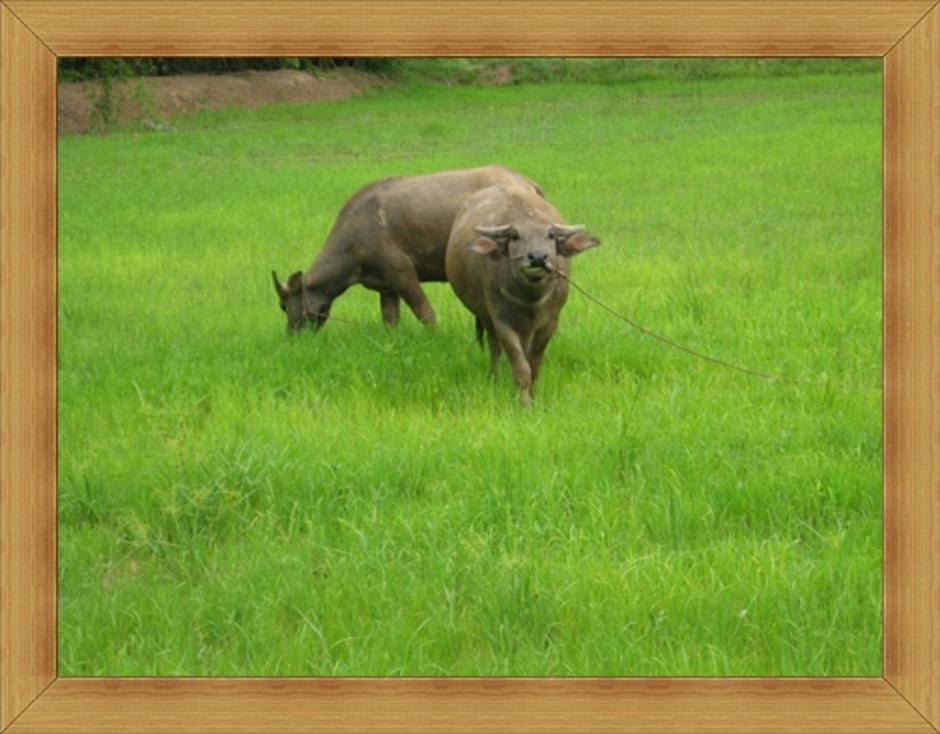
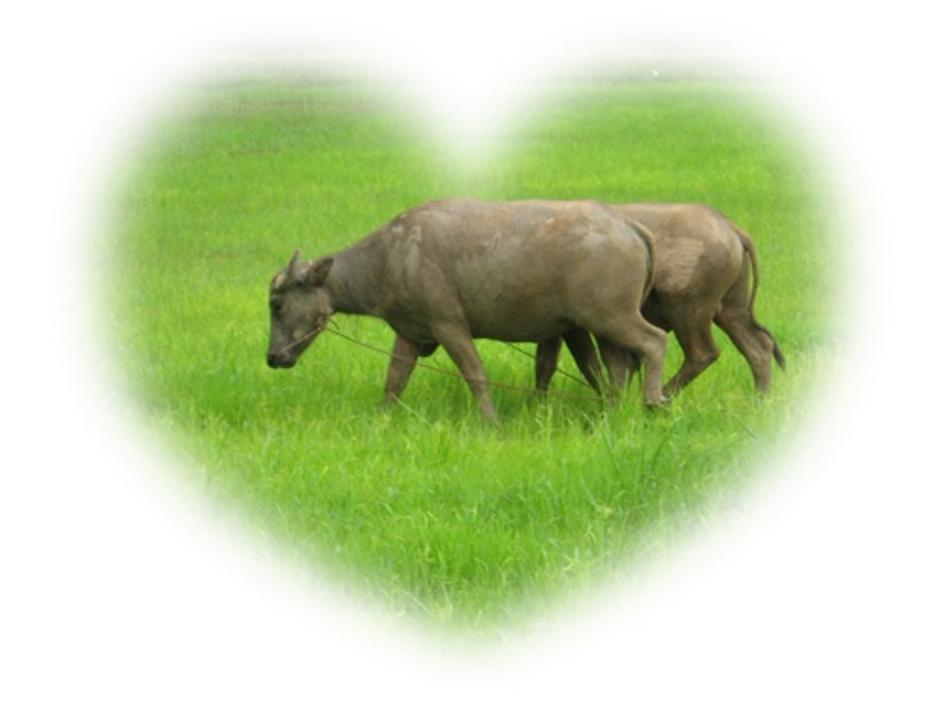
โดยปกติผู้เขียนชอบสัตว์ประเภท วัว ม้าอยู่แล้ว แต่สัตว์อีกประเภทหนึ่งที่น่าสนใจคือ กระบือ หรือที่เราเรียกว่า ควาย ผู้เขียนเองอยากเลี้ยงควายที่บ้านไร่พนมทวน แต่ญาติที่ดูแลบอกว่า แค่วัวก็แย่แล้ว (แหมก็คนอยากเลี้ยงนะ เผื่อจะได้เป็นพี่ขวัญ อิอิๆ) เมื่อผู้เขียนอ่านบทความภาษาอังกฤษ ชุดนี้ พบว่า เป็นความรู้ใหม่เลยว่า นมของควายมีราคาแพงกว่านมวัว แถมมีคอลเรสเตอรอล น้อยกว่าด้วย ทึ่งๆ แต่เสียดายว่า ควายที่นำเอามาเลี้ยงในข่าว เป็นควายนำเข้าจากอินเดีย เรียกว่า Murrah ดูหน้าตาก็คล้ายควายไทย (แต่ควายที่เอามาให้ดู เป็นควายไทย ผู้เขียนถ่ายมาจากโรงเรียนบ้านเม็กดำ จังหวัดมหาสารคามครับ
ฟาร์มที่ว่านี้อยู่จังหวัดฉะเชิงเทรา ครับ ในอนาคตอาจมีการปรับปรุงพันธุ์ให้ดีกว่านี้ แต่ที่ชอบคือ เจ้าของฟาร์มเห็นว่า นมมีความสำคัญแก่นักเรียน โดยให้นมแก่โรงเรียน 10 กิโลกรัมต่อวัน เพื่อโปรโมต นมควาย ลองอ่านดูนะครับ
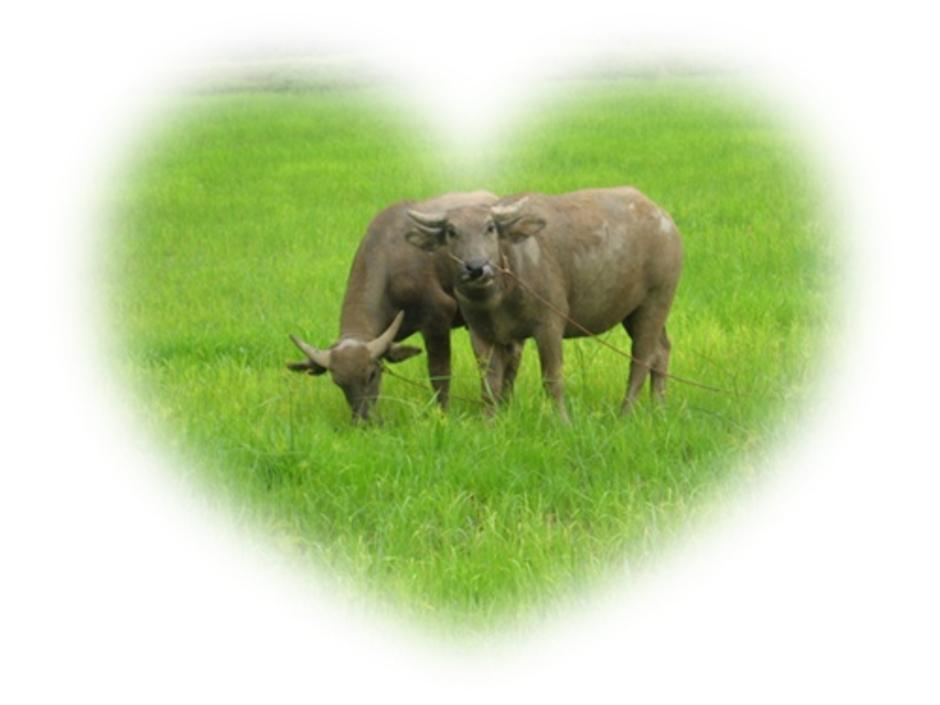
Water buffaloes have long been part of Thai farm life. For centuries, they have ploughed rice fields alongside their masters under the scorching sun.
Yet their endless benefits have gone largely unnoticed. For most Thais, the old saying ''stupid like a buffalo'' is testimony to prejudice against the animal.
That probably explains why the idea of raising the animals on a large scale was unheard of, although the practice is common in China, Brazil and Italy. Things are beginning to change, however.
Runchuan Hengtrakulsin, the owner of Murrah Dairy Co Ltd, is one of the pioneers. She is building a business from the ground up from breeding and farm management to milk production. Her efforts have begun to bear fruit with her first products buffalo milk, yoghurt and cheese on the local market.
But challenges remain, the biggest being to find markets. ''Right now, my biggest obstacle is not the lack of funds or farm management but people's prejudice against the animal,'' she says.
''Back in 2003, my friends thought I was crazy when I told them I would run a buffalo farm. No Thai had ever bred buffaloes for milk on a large scale. ... Who would dare drink nom kwai (buffalo milk)?''
But Ms Runchuan reasoned that even if the farm failed, she could cover most of the loss by selling the meat. If it succeeded, she would hit a jackpot: a headstart in a market with no competition. Also, related businesses could be built around the farm such as homestay tourism and buffalo-riding.
Murrah was established in 2003 on a plot of 400 rai in Chachoengsao, 120 kilometres east of Bangkok. It began with 20 locally bred buffaloes. Later, the farm imported 46 Murrah buffaloes from India, costing two million baht.
By 2005, the buffaloes started producing milk, but all was used to feed their newborns. Only last year was there enough milk for commercial production. Today, they produce 200 litres a day, 40% of which is sold locally.
The number of buffaloes has increased to 260 and the investment cost has topped 10 million baht. Milk production per buffalo per day is six to seven litres, low when compared to other countries.
In terms of breeding stock improvement, China is a good example, she says. To increase milk production, buffalo farms there created an entirely new generation, a mixed breed of local and Murrah buffaloes. However, it could take more than 40 years before a perfect breed tolerant to the local climate is conceived.
Mrs Runchuan wants to follow the success story of China. In the meantime, she milk production to reach 14 litres per head by the 10th year, when the business should begin to see some profit.
To enlarge margins, she avoids commercial feeds. She cultivates corn, grasses, tapioca, and rice for the buffaloes to feed on. In co-operation with the Research Center for Bioscience in Animal Production at Chulalongkorn University, the farm is also experimenting with leucaena leucocephalade, a fast-growing plant that contains up to 20% protein.
To serve future market expansion, she will contract small farmers in a 20-kilometre radius to breed buffaloes.
Distribution is still modest. The farm has one restaurant, the Murrah Cafe{aac} and Bistro, in Ramkhamhaeng in Bangkok and a second outlet in Pattaya is in the pipeline. Beyond dairy products, buffalo menus such as sandwiches and coffee served with fresh buffalo milk will be offered.
Ice-cream and new milk flavours will be added as milk output rises.
However, the modern-trade channel is tough to crack. For lack of an official endorsement of safety, fresh buffalo milk and related products cannot be put on the shelves of some supermarket chains.
Prices are another barrier. Buffalo milk is more expensive than cow milk, but is also richer in protein and contains less cholesterol.
Instead of spending heavily advertising, Ms Runchuan gives away 10 kilogrammes of milk a day to a nearby school to promote the product and test the market. And the outcome is encouraging. ''My ambition is to offer buffalo milk as an alternative at schools nationwide no matter how hard it is,'' she says.
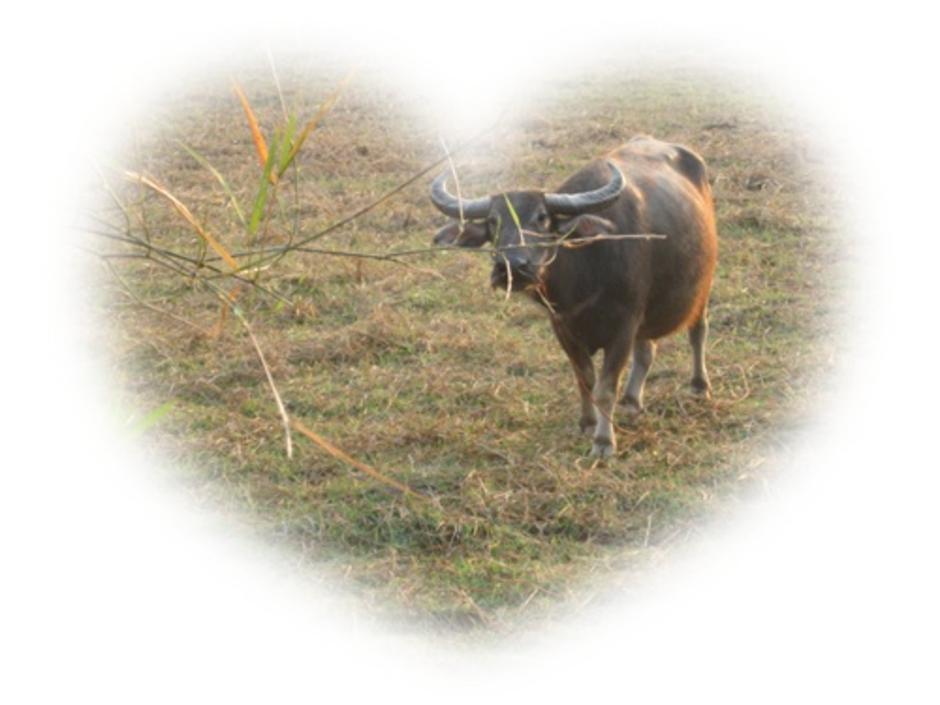
อ่านเรื่องนี้จบ คงชอบ ควายมากกว่าเดิมนะครับ ผู้เขียนเองมองว่าควายน่ารัก ไม่รู้เป็นอะไร ปิดเทอมใหญ่ เอาควายมาเลี้ยงด้วย แม่ผู้เขียนจะเทศนา ไหมเนี่ย อิอิๆๆๆ
ปล. ภาพควายที่เห็นเป็นการเลี้ยงควายในนาข้าว ของแม่หนู ชาวนาบ้านเม็กดำ ตอนลงไปดูพื้นที่ ตอนทำค่ายภาษาอังกฤษ พ่อครูบา ดร. วรภัทร์ พี่ทวีสิน พี่จุ๋ม ประทับใจมาก จน ดร. แสวง จากมหาวิทยาลัยขอนแก่น พานักวิจัยชาวต่างชาติ มาดูด้วยครับ
ขอบคุณข้อมูลจาก
http://www.bangkokpost.co.th/130808_Business/13Aug2008_biz36.php ข้อมูลเกี่ยวกับควาย http://th.wikipedia.org/wiki/%E0%B8%84%E0%B8%A7%E0%B8%B2%E0%B8%A2 หมู่บ้านควาย http://www.buffalovillages.com/th/index.php อนาคตควายไทย http://www.chiangmainews.co.th/viewnews.php?id=14225&lyo=1 ควายเอเชีย http://ibic.lib.ku.ac.th/thai/asiabuff.htm


มาลงชื่อก่อนแล้วค่อยเมนท์
อิอิ
แวะมาอีกรอบครับ
ดู...ครูโย่ง อย่างนี้ก็เอานะ
เราหรึกมั่วแต่เปิด Dic.. อยู่ เสียท่าเลย
สวัสดีครับ
ผมก็ชอบควายครับ(แต่ผมไม่กินเนื้อควายครับ)
ที่จริงคนไทยน่าจะได้กินนม"ควายไทย"นะ
ที่จริงที่อินเดียมี "ควายนม"และ กินนมควาย มานานแล้ว โดยเฉพาะชาว"ซิกส์"รึเปล่า
ถ้าอยากรู้ต้องตามไปดูที่อินเดีย ??
ชอบวัวกับควายเหมือนกันค่ะ.. ชอบตามันน่าสงสารทั้งคู่เลย
เลยตั้งใจว่าจะไม่กินเนื้อมันตลอดชีวิตค่ะ.
ดีใจที่มีคนชอบควาย..เหมือนกันค่ะ..อิอิ
อาจารย์สบายดีนะคะ..
สวัสดีค่ะอาจารย์
ฮิๆๆๆ อ่านจบแล้วค่ะ ตัวสุดท้ายเลย 555+
จะไปหาฉบับแปลได้ที่ไหนนะ???
อยากบอกว่าเหมือนกันค่ะ ควาย ที่บ้าน
แต่ก่อนยายเลี้ยงเยอะมาก จนขี้เกียจไปเลี้ยงฮิๆๆๆ
ปัจจุบันเหลือ 2ตัว เดี๋ยวนี้ควายกำลังหายากด้วยเนอะ
ขอบคุณอาจารย์มากค่ะ....
สวัสดีค่ะอาจารย์ พอลล่าไม่ทานเนื้อวัว ควาย ไม่เคยทานอ่ะ นมวัววเคยดื่ม แต่นมควายไม่ลองดีกว่าค่ะ อ.ลองทานแล้วบอกด้วยนะคะ ควายคือผู้มีพระคุณ ค่ะ ไถนาปลูกข้าวให้เรากิน อิอิ
เมื่อ พ. 13 ส.ค. 2551 @ 20:52
785414 [ลบ]
ฝากเลี้ยงตัวนึงนะครับ อาจารย์..
สวัสดีครับตอนผมเด็ก ๆ ที่บ้านมีความเผือกอยู่ 1 ตัวแม่เล่าให้ฟังว่าตอนพ่อขายไปควายน้ำตาไหล จริงครับที่ว่าควายร้องไห้ น่าสงสารควายนะครับคนบ่นว่าอย่างไรไม่เคยตอบโด้ สวัสดีครับ