I understand the gist of the story of the wood-cutter and the ‘rukkha-deva’. It runs in the same track as ‘Jack and the Beanstalk’. Both are ‘human-centric’ stories. The human (woodcutter) thinks even cutting wood is an honest work (even though cutting woods would not make him ‘better off’) and deserve respect. (Human) Jack climbs up the beanstalk, steals from the giant and finally kills the giant. He thinks nothing about the wrong of stealing and murdering the giant. Only that he become rich and live happily ever after.
How many times we hear (or read about) about good hunting, fishing, picking, winning,… stories. Have we (the winners) ever stopped and thought about the victims (losers) in the stories? Have we felt strongly enough about bi-lateral relations and ‘fair and just’ (in a Physics sense - to quote Sir Isaac Newton’s law: Action = Reaction ) or the law of ‘Kamma’ : action[s] cause[s] result[s] (in certain webs of relations - space and time).
[How I wish to be able to express the law of Kamma in simpler terms. The best I can now is somewhat like the ‘Internet’ and the ‘web of relations’ where things are interconnected and what happens to one node will eventually impact all nodes including the start node itself and the ‘actor’ who causes the disturbances. ;-) ;-) ;-) ]
I understand the gist of the story of the wood-cutter and the ‘rukkha-deva’. It runs in the same track as ‘Jack and the Beanstalk’. Both are ‘human-centric’ stories. The human (woodcutter) thinks even cutting wood is an honest work (even though cutting woods would not make him ‘better off’) and deserve respect. (Human) Jack climbs up the beanstalk, steals from the giant and finally kills the giant. He thinks nothing about the wrong of stealing and murdering the giant. Only that he becomes rich and live happily ever after.
How many times we hear (or read about) about good hunting, fishing, picking, winning,… stories. Have we (the winners) ever stopped and thought about the victims (losers) in the stories? Have we felt strongly enough about bi-lateral relations and ‘fair and just’ (in a Physics sense - to quote Sir Isaac Newton’s law: Action = Reaction ) or the law of ‘Kamma’ : action[s] cause[s] result[s] (in certain webs of relations - space and time).
[How I wish to be able to express the law of Kamma in simpler terms. The best I can now is somewhat like the ‘Internet’ and the ‘web of relations’ where things are interconnected and what happens to one node will eventually impact all nodes including the start node itself and the ‘actor’ who causes the disturbances. ;-) ;-) ;-) ]
You know that เทพารักษ์ in the story tries to bribe คนตัดไม้ from cutting down trees … make him rich so he won’t come round and cut more trees… but the เทพารักษ์ fails this time because คนตัดไม้ is an honorable (but destructive) man.
We can imagine if the เทพารักษ์ succeeds and then there are more คนตัดไม้’s cutting down trees everywhere. Every new เทพารักษ์..และคนตัดไม้ all playing the game with trees as victims – lateral damage.
When a simple story gets scrutinized and a Pandora box gets opened… Sigh.

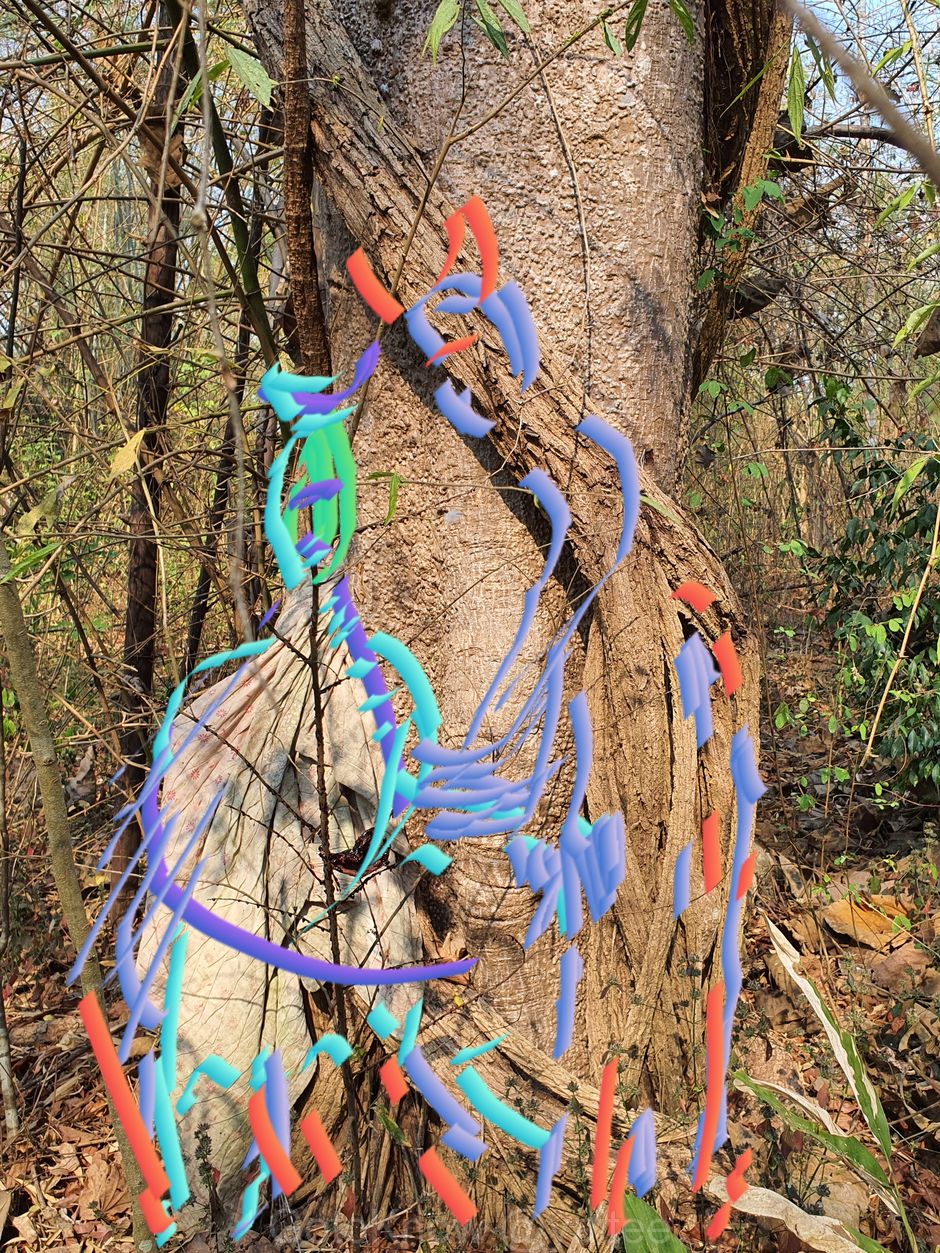
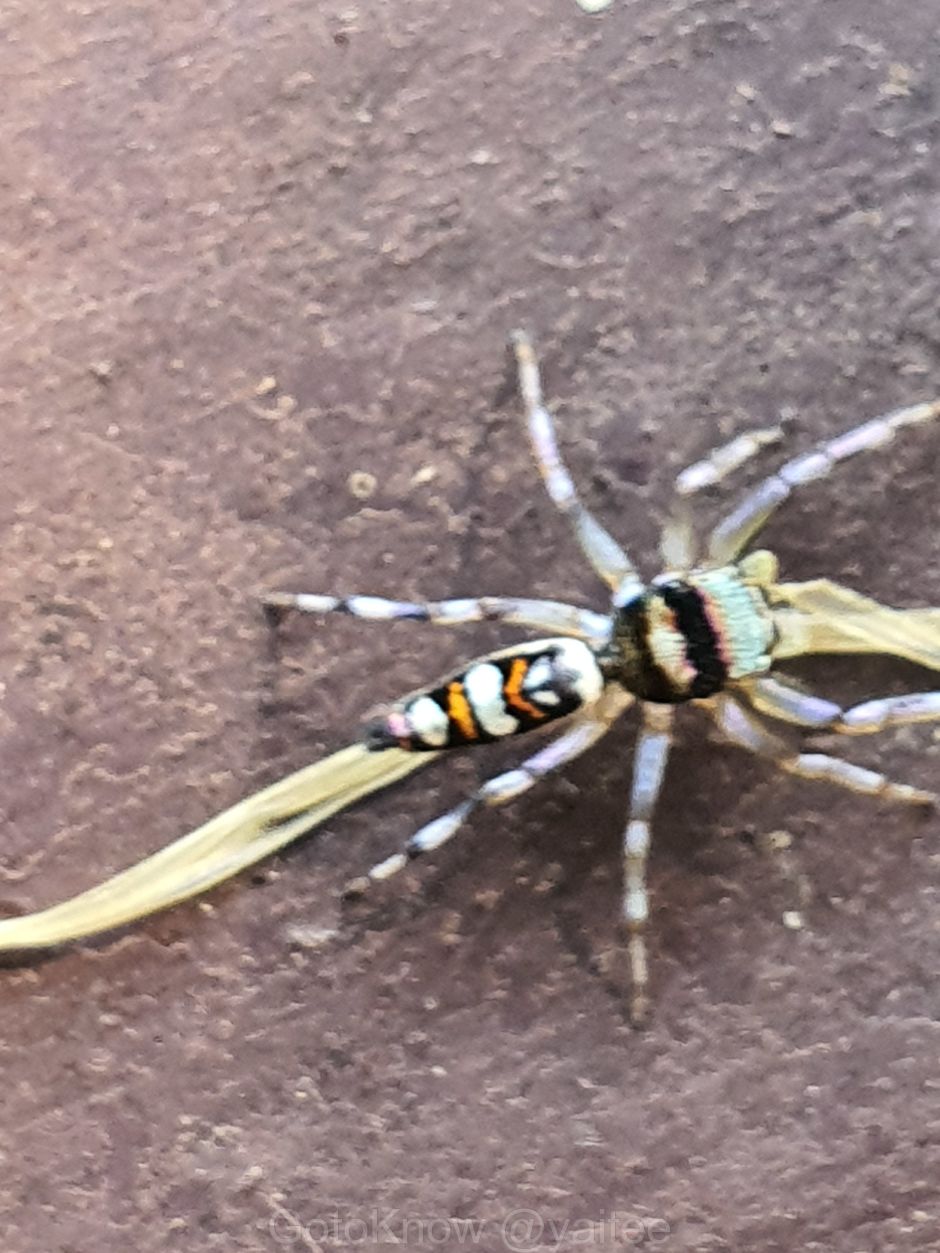


ทำไม..เราจึงจำเป็นที่จะต้องมี..”เทพารักษ์”……..เมื่อไม่มีเทพสถิตปกป้องชีวิต ต้นไม้..ทุกวันนี้..จึงเป็นเช่นนี้ท่านว่ามั้ย…..
We cannot have one ‘rukkha-deva’ for umpteen woodcutters. We cannot solve this problem by dividing lovers and cutters and pitching fights.
I think ‘all of us’ need to become ‘rukkha-deva’ - yes everyone on one side and abiding one conscience.
สวัสดีค่ะ คุณ sr.. “สบายดี..นะคะ”เรื่องของเทพารักษ์กับคนตัดไม้..ที่เคย ฟังนิทานเรื่องนี้..ที่สอนใจคนซื่อสัตย์..ว่าขวานเงิน ขวานทอง ได้มาก็ตัดไม้ไม่ได้….ไม่ทราบว่า..เทพารักษ์..ยังยืนกรานที่จะให้…แม้จะได้นับการปฏิเสธ….ก็ตาม(ใครมีความเห็นเกี่ยวกับนิทานเรื่องนี้..เม้นท์ เข้ามาเลย นะคะ..จะคอยอ่าน)…กลางดิน แกลลอลี่ ชีวิต เพื่อสิ่งแวดล้อมและสังคม..วันนี้ )
I understand the gist of the story of the wood-cutter and the ‘rukkha-deva’. It runs in the same track as ‘Jack and the Beanstalk’. Both are ‘human-centric’ stories. The human (woodcutter) thinks even cutting wood is an honest work (even though cutting woods would not make him ‘better off’) and deserve respect. (Human) Jack climbs up the beanstalk, steals from the giant and finally kills the giant. He thinks nothing about the wrong of stealing and murdering the giant. Only that he become rich and live happily ever after.
How many times we hear (or read about) about good hunting, fishing, picking, winning,… stories. Have we (the winners) ever stopped and thought about the victims (losers) in the stories? Have we felt strongly enough about bi-lateral relations and ‘fair and just’ (in a Physics sense - to quote Sir Isaac Newton’s law: Action = Reaction ) or the law of ‘Kamma’ : action[s] cause[s] result[s] (in certain webs of relations - space and time).
[How I wish to be able to express the law of Kamma in simpler terms. The best I can now is somewhat like the ‘Internet’ and the ‘web of relations’ where things are interconnected and what happens to one node will eventually impact all nodes including the start node itself and the ‘actor’ who causes the disturbances. ;-) ;-) ;-) ]
I understand the gist of the story of the wood-cutter and the ‘rukkha-deva’. It runs in the same track as ‘Jack and the Beanstalk’. Both are ‘human-centric’ stories. The human (woodcutter) thinks even cutting wood is an honest work (even though cutting woods would not make him ‘better off’) and deserve respect. (Human) Jack climbs up the beanstalk, steals from the giant and finally kills the giant. He thinks nothing about the wrong of stealing and murdering the giant. Only that he becomes rich and live happily ever after.
How many times we hear (or read about) about good hunting, fishing, picking, winning,… stories. Have we (the winners) ever stopped and thought about the victims (losers) in the stories? Have we felt strongly enough about bi-lateral relations and ‘fair and just’ (in a Physics sense - to quote Sir Isaac Newton’s law: Action = Reaction ) or the law of ‘Kamma’ : action[s] cause[s] result[s] (in certain webs of relations - space and time).
[How I wish to be able to express the law of Kamma in simpler terms. The best I can now is somewhat like the ‘Internet’ and the ‘web of relations’ where things are interconnected and what happens to one node will eventually impact all nodes including the start node itself and the ‘actor’ who causes the disturbances. ;-) ;-) ;-) ]
สวัสดีค่ะ.. คุณsr..( ยายธีเริ่ม สนุกๆกับความคิดละ..)..ชอบคำที่ว่า..ลูกไม้หล่นไม่ไกลต้น…ของไทย..แต่ พอมาเห็นลูก ยางนา..มันบินได้ ไปเกิดไกลต้น..เลย ต้อง..เลยเถิด กับความคิดของ “นิว..ตัน”ไปก่อน…แล้วกับมาย้อนมอง “ กรรม”..กับ..”เวร”… เวรกรรม..มีความหมายอะไร..กับ เทพรักษ์…เทพรักษ์สมมติ..ยุค0.0.นั้น..ณ..ที่นั้น เทพนั้นบรุษนั้น..คือ ผู้ ละ ได้ จาก รักโลภ โกธรหลง ทั้ง มวล…..คนตัดไม้..จึงมี..ความสุขสมบรูณ์…เป็นศรีอารยะชน..ในศรีอารยะ เมตตรัย..สมมติฐาน..ณ.”กลางดิน”..แกลลอลี่ชีวิต เพื่อสิ่งแวดล้อมและ สังคม วันนี้….
You know that เทพารักษ์ in the story tries to bribe คนตัดไม้ from cutting down trees … make him rich so he won’t come round and cut more trees… but the เทพารักษ์ fails this time because คนตัดไม้ is an honorable (but destructive) man.
We can imagine if the เทพารักษ์ succeeds and then there are more คนตัดไม้’s cutting down trees everywhere. Every new เทพารักษ์..และคนตัดไม้ all playing the game with trees as victims – lateral damage.
When a simple story gets scrutinized and a Pandora box gets opened… Sigh.