
So much is talked about the Senate of Thailand. This blog is added to moderate and provide some ‘facts’ about ‘senate’, so we may look at the ‘senate’ and senators differently.
The reference point is obviously this:
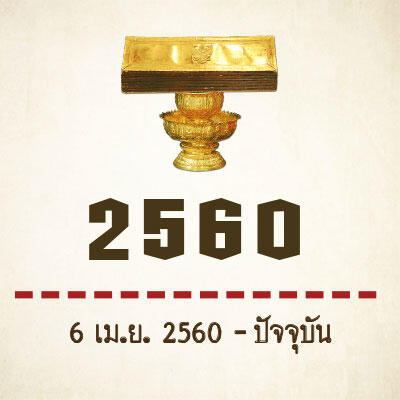
The more common references is the abbreviation ‘สว. ’. Let us clear the background:
สว. (ส.ว. --th.wikipedia.org) ย่อมาจาก สมาชิกวุฒิสภา (Senate – https://www.senate.go.th/view/1/หน้าแรก/TH-TH ) --วุฒิสภาไทย หรือเดิมมีชื่อว่า "พฤฒสภา" เป็นวุฒิสภาของประเทศไทย โดยเป็นสภาสูงในรัฐสภาไทยคู่กับสภาผู้แทนราษฎรไทยซึ่งเป็นสภาล่าง ตามรัฐธรรมนูญปี 2560 วุฒิสภามีวาระคราวละ 5 ปี ใช้ห้องประชุมวุฒิสภา ณ สัปปายะสภาสถาน เป็นที่ประชุม (See https://th.wikipedia.org/wiki/วุฒิสภาไทย --functions and responsibilities and https://th.wikipedia.org/wiki/ การเลือกสมาชิกวุฒิสภาไทย_พ.ศ._2567 --particular and result https://senator.ect.go.th/ ) --similar to soccer championships (but with 'votes' instead of 'matches' --so, skills for functions and responsibilities are not tested in any 'rounds')
* พฤฒ, พฤฒา (พฺรึด, พฺรึดทา) ว. เจริญ, แข็งแรง, ใหญ่; แก่, เฒ่า, พฤทธ์ ก็ว่า. (ส.).
* พฤฒิ (พฺรึดทิ) น. ความเจริญ, ความมั่งคั่ง, ความสมบูรณ์, ความอวบ, พฤทธิ์ ก็ว่า. (ส.)
* พฤฒิบาศ น. ชื่อพราหมณ์พวกหนึ่ง มีหน้าที่ทำพิธีเกี่ยวกับช้างและ_ปัดเสนียดจัญไร_. ดู พฤฒาจารย์
วุฒิสภา (กฎ) น. สภานิติบัญญัติสภาหนึ่ง ซึ่งเมื่อรวมกับสภาผู้แทนราษฎรแล้วประกอบเป็นรัฐสภา ตามรัฐธรรมนูญแห่งราชอาณาจักรไทย (พุทธศักราช ๒๕๔๐) วุฒิสภาประกอบด้วยสมาชิกซึ่งราษฎรเลือกตั้งจำนวน ๒๐๐ คน ตามวิธีแบ่งเขตเลือกตั้ง โดยใช้เขตจังหวัดเป็นเขตเลือกตั้ง มีอำนาจหน้าที่ในการกลั่นกรองกฎหมายควบคุมการบริหารราชการแผ่นดินและมีอำนาจหน้าที่อื่นตามที่รัฐธรรมนูญบัญญัติ.
วุฒิ วุดทิ น. ภูมิรู้; ความเจริญ, ความงอกงาม, ความเป็นผู้ใหญ่. (ป. วุฑฺฒิ; ส. วฺฤทฺธิ).
วุฒิ: ความเจริญ, ความงอกงาม, ความเป็นผู้ใหญ่; ธรรมให้ถึงความเจริญ; ดู วุฑฒิ วุฒิ คือ ความเป็นผู้ใหญ่ ๓ อย่างที่นิยมพูดกันในภาษาไทยนั้นมาในคัมภีร์ชั้นอรรถกถาและฎีกา ได้แก่ ๑. ชาติวุฒิ ความเป็นผู้ใหญ่โดยชาติ คือ เกิดในชาติกำเนิดฐานะอันสูง ๒. วัยวุฒิ ความเป็นผู้ใหญ่โดยวัย คือเกิดก่อน ๓. คุณวุฒิ ความเป็นผู้ใหญ่โดยคุณความดีหรือโดยคุณพิเศษที่ได้บรรลุ (ผลสำเร็จที่ดีงาม) (อนึ่ง ในคัมภีร์ท่านมิได้กล่าวถึงภาวะแต่กล่าวถึงบุคคล คือไม่กล่าวถึงวุฒิ แต่กล่าวถึง วุฑฒะ [วุฑฒิ] หรือ วุฒ เป็น ชาติวุฒ วัยวุฒ คุณวุฒ; นอกจากนั้น ในอรรถกถาแห่งสุตตนิบาต ท่านแบ่งเป็น ๔, โดยเพิ่มปัญญาวุฒ ผู้ใหญ่โดยปัญญาเข้ามาอีกอย่างหนึ่ง และเรียงลำดับตามความสำคัญในทางธรรม เมื่อเปลี่ยน วุฒ เป็น วุฒิ จะได้ดังนี้ ๑. ปัญญาวุฒิ ๒. คุณวุฒิ ๓. ชาติวุฒิ ๔. วัยวุฒิ)
วุฑฒิ: ธรรมเป็นเครื่องเจริญ, ธรรมเป็นเหตุให้ถึงความเจริญ มี ๔ อย่างคือ ๑. สัปปุริสสังเสวะ คบหาสัตบุรุษ ๒. สัทธัมมัสสวนะ ฟังสัทธรรม ๓. โยนิโสมนสิการ ทำในใจโดยแยบคาย ๔. ธัมมานุธัมมปฏิปัตติ ปฏิบัติธรรมสมควรแก่ธรรม, เรียกและเขียนเป็น วุฒิ บ้างวุฑฒิธรรม บ้าง วุฒิธรรม บ้าง, ในบาลีเรียกว่า ธรรมที่เป็นไปเพื่อปัญญาวุฑฒิ หรือ ปัญญาวุฒิ คือเพื่อความเจริญแห่งปัญญา
vuḍḍhi & Vuddhi (f.) [a by-form of vaḍḍhi] increase, growth, furtherance, prosperity.
* vuṭṭhi f. rain. [vuṭṭhidhārā = shower of rain, dubbuṭṭhi = lack of rain, drought (= not suvuṭṭhi)]
sabhā f.; an assembly; a hall for meeting. (=senate)
senate
n 1: assembly possessing high legislative powers
2: the upper house of the United States Congress
Senate: from Latin 'senex' = "old" / "old man" --> senatus = "a council of elders."
elder:
ADJ. แก่กว่า relate:[อาวุโส, แก่, สูงวัย] syn:[senior]
N. ผู้อาวุโส relate:[ผู้เฒ่า, ผู้สูงอายุ, ผู้ใหญ่]
N. พระอาวุโสในศาสนาคริสต์บางนิกาย
อาวุโส
ว. ที่มีอายุแก่กว่าหรือมีตำแหน่งหน้าที่การงานสูงกว่าเป็นต้น เช่น ข้าราชการอาวุโส ครูอาวุโส ศิลปินอาวุโส.
น. ความมีอายุมากกว่าหรือมีประสบการณ์ในอาชีพมากกว่าเป็นต้น เช่น เขามีอาวุโสในการทำงาน ผู้มีอาวุโสทางการเมือง. (ป. อาวุโส เป็นคำ อาลปนะ คือ คำที่พระผู้ใหญ่หรือที่มีพรรษามากกว่าเรียกพระผู้น้อยหรือที่มีพรรษาน้อยกว่า หรือเป็นคำที่พระใช้เรียกคฤหัสถ์, คู่กับ ภันเต ซึ่งเป็นคำที่พระผู้น้อยหรือที่มีพรรษาน้อยกว่าเรียกพระผู้ใหญ่หรือที่มีพรรษามากกว่า หรือเป็นคำที่คฤหัสถ์ใช้เรียกพระสงฆ์).
อาลปนะ (อาลบ-, อาละปะนะ) น. การพูด, การสนทนา, การเรียก, การทักทาย; ในไวยากรณ์ หมายถึง คำที่ใช้เรียกหรือทักทายผู้ที่ตนจะพูดด้วย เช่น “นายแดง แกจะไปไหน” คำ “นายแดง” เป็นอาลปนะ [คำร้องเรียก]. (ป., ส.). [in modern time words like: Man, Hey, Hey you, พณท่านฯ, อาจารย์... เป็นคำ อาลปนะ]
alapana, ālapana nt.; addressing; conversation; the Vocative.
So, we can see that
วุฒิสภา (senate) เป็น เครื่อง (mechanism) ควบคุมการบริหารราชการแผ่นดิน (public administration) มี สมาชิก ๒๐๐ คน (200 members). หน้าตาของสภา (look of the mechanism) อาจไม่ตรงกับ ภาพพจน์ ของคนมากหลาย _การทำงานตามหน้าที่ สนองความต้องการของชาติ และความคุ้มทุน_ (เรา)ยังไม่รู้ (เพราะยังไม่ได้เดินเครื่อง) ฉนั้น การติเรือ ทั้งโกลน หรือ ติช่างต่อเรือ (กกต.) ก่อนเห็นผลงาน คงไม่เหมาะสม แต่_การตั้งค่ากำหนดผลงาน_ที่สนองความต้องการของชาติและคุ้มทุน เป็นมาตรฐานไว้ก่อน นั้นสมควรมี เพื่อให้การคิดตามวัดผลเป็นไปอย่างมีหลักกลางชัดแจ้งและยุติธรรม
We may like more details:
https://www.senate.go.th/assets/portals/93/fileups/253/files/law%2520personal/2550/land/land30.doc
https://th.wikisource.org/wiki/รัฐธรรมนูญแห่งราชอาณาจักรไทย_พุทธศักราช_2560/หมวด_7
https://www.the101.world/why-does-the-upper-house-still-exist/
https://parliamentmuseum.go.th/constitution/constitution-20-2560.html
Notes
Council of Elders, Rajya Sabha (in India, also ancient India before Ashoka of Mauriya Dynasty), GERONTOCRACY (a modern term from ancient Spartan 'Gerousia') … are very common mode of administration around the world (including Thailand) from ancient times. Thai villages are still lead by elders (ผู้ใหญ่บ้าน).
* How to dissolve this senate and/or make changes? There are no clear guides on the senate itself within the Constitution 2560, only particulars related to members of the senate. Government cannot dissolve the senate directly (but may be able to change the constitution to dissolve and remove the senate, such would need the senate agreement and/or [people] referendum). The senate may be tacitly dissolve, when there is no senator remain in the senate. This would be extremely unlikely.
Remuneration for senators and other allowances can cost Taxpayers over THB 600 million per year (In comparison the House of Representatives - สภาผู้แทนราษฎร can cost over THB 2,000 million per year). The question of ‘return for investment’ (การทำงานตามหน้าที่ สนองความต้องการของชาติ และความคุ้มทุน) is valid and must be answered (by senators and members of parliament - สว. และ สส.). But, we will have to base our answers and decisions on ‘measures’ - การตั้งค่ากำหนดผลงาน (so far, none has been explicitly specified --this is why politicians can spend taxpayers money unwisely and claim credit for ‘working’). สตช. ปปช. and many other auditing offices appear to work on different rules/models/measures and applying ‘considerations’ non-uniformly amid people's confusion.
Will this senate of Thailand (council of elders) work as they have worked in the past? Would AI-elders be a better (and cheaper) alternatives? Why not AI-administration and people who ‘can’ feed AI-machines new information to alter the working of AI-administration?
Enough for a Sunday musing. Have fun!


