
ABSTRACT
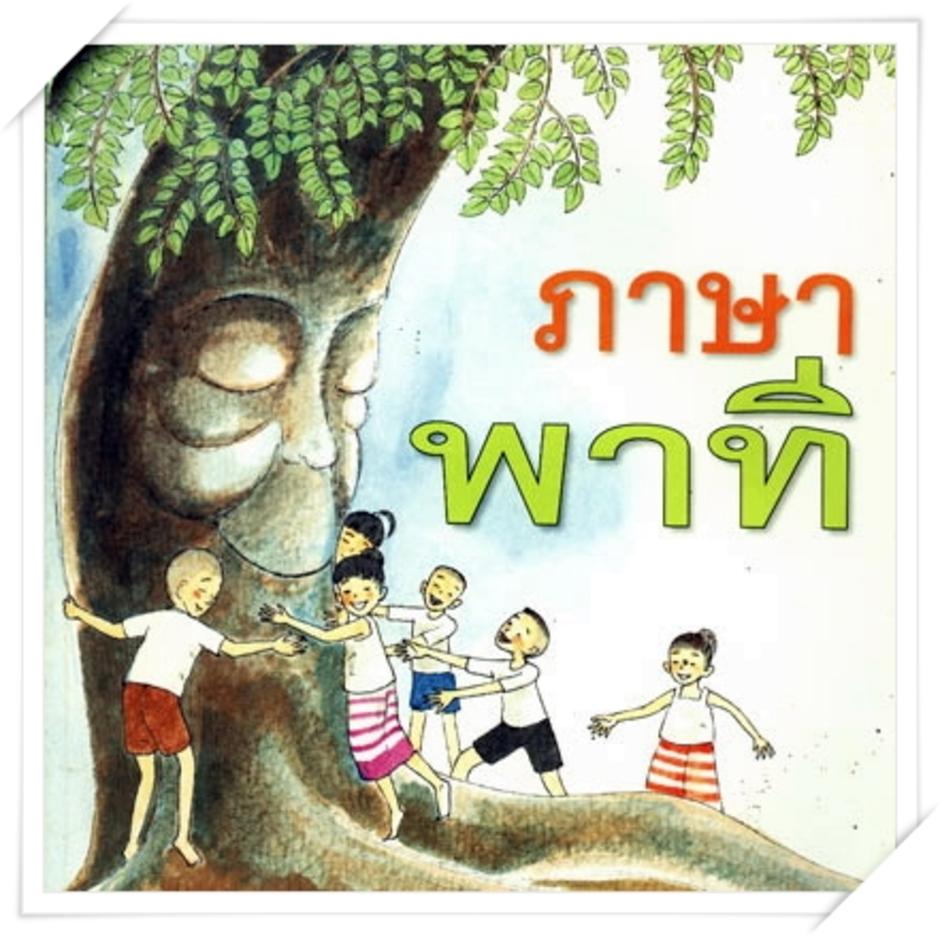
This study is a discourse analysis of verbal and visual language used to describe the characters of adults and children in 5 books of Pasa Patee, which are textbooks used in Thai courses at primary level. The objectives of this study are 1) to find out the ideology of adult-child power relations portrayed in Pasa Patee; 2) to study the construction of adult-child power relations through the verbal and visual language in Pasa Patee and 3) to raise awareness of significance of the adult-child power relation in Thai textbooks used at primary levels.

Finding from analysis of verbal and visual language in Pasa Patee revealed the imbalance of adult-child power relations. The ideology presented in Pasa Patee is the commonly accepted ideology in Thai communities that adults are older and, hence, powerful and superior, and because of that they are to be respected and given power as well as legitimacy to order, tell and instruct through the words choice, sentences structure and pronoun used. These differences in the use of verbal and visual language imply the imbalance of adult-child power relations resulting from age hierarchy.
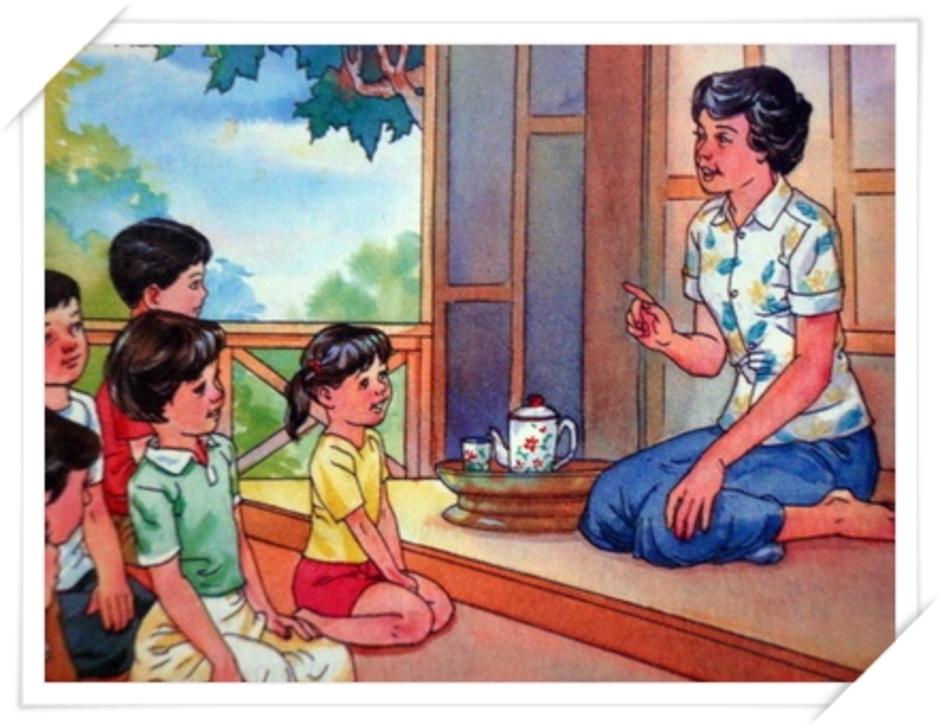
Since these power relations are portrayed in textbooks used by all Thai students at primary levels, they will persist in Thai society, making it more difficult to eradicate the problem of power relation. This study is raise awareness of how power ideologies can be inscribed in a discourse. It is hoped that the finding will bring about a better understanding of the influences of verbal and visual language on the socialization of children and broaden the perspectives of interdisciplinary knowledge of discourse analysis, education and adult-child problems existing in Thai society.
It is suggested that the ideology of adult-child power relation should be conducted through another books in order to find out whether the stereotypes of adult-child are instilled. The findings may bring about better solution to the problem of age hierarchy in Thai society.
MASTER OF ARTS IN ENGLISH: THE GRADUATE SCHOOL , CHIANG MAI UNIVERSITY, MARCH 2010
[see full version at http://www.mareerukchiangrai.com/IS/]


