
The ideal knowledge management is one where knowledge workers (people) exchange knowledge across the functional areas of the organization by using technology and initiated processes (see Figure 1).
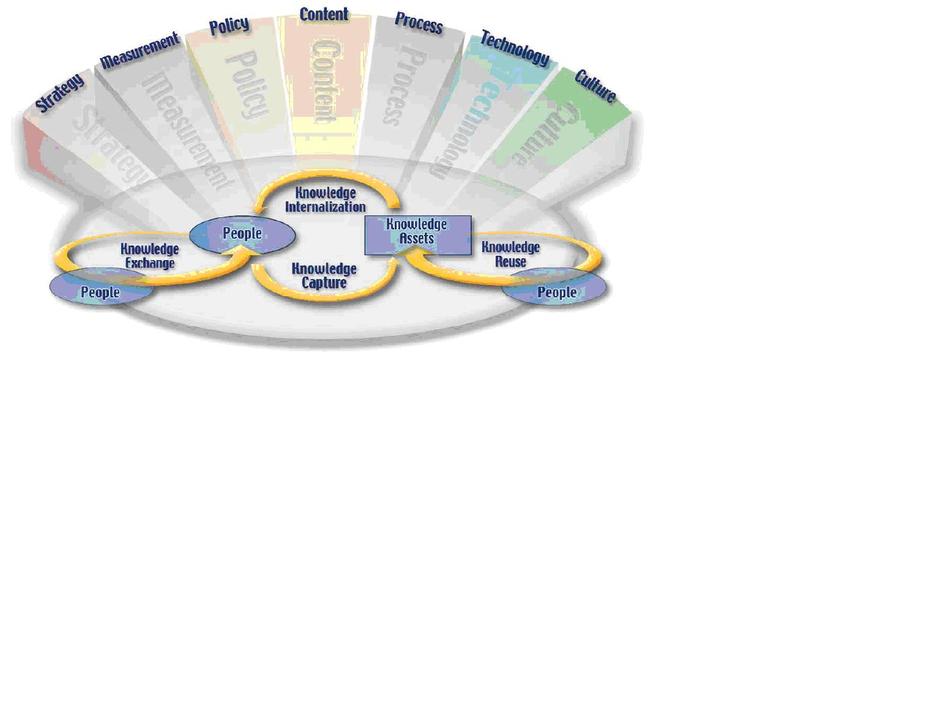
Figure 1: http://www.mitre.org/news/the_edge/april_00/4_00.pdf
People exchange knowledge and ideas for policy formulation and strategy. Knowledge is internalized and adopted within the culture of the organization. All people are in an environment where they can freely exchange and produce knowledge assets by using various technologies. This process influences the organization as a whole in a positive way.
The idea of managing knowledge is abstract. Knowledge is not something we typically think of as being managed, but rather something that is individually controlled, personal, and autonomous. To be able to manage knowledge, one must be able to elicit an individual's knowledge from that individual.
One unique indicator of knowledge management in this action is seeing people think actively, not passively-thinking ahead, not behind.
References:
Gravallese, J. "Knowledge management", The MITRE Advanced Technology Newsletter, April 2000, vol. 4, no.1. http://www.mitre.org/news/the_edge/april_00/4_00.pdf, viewed on November 2007.


